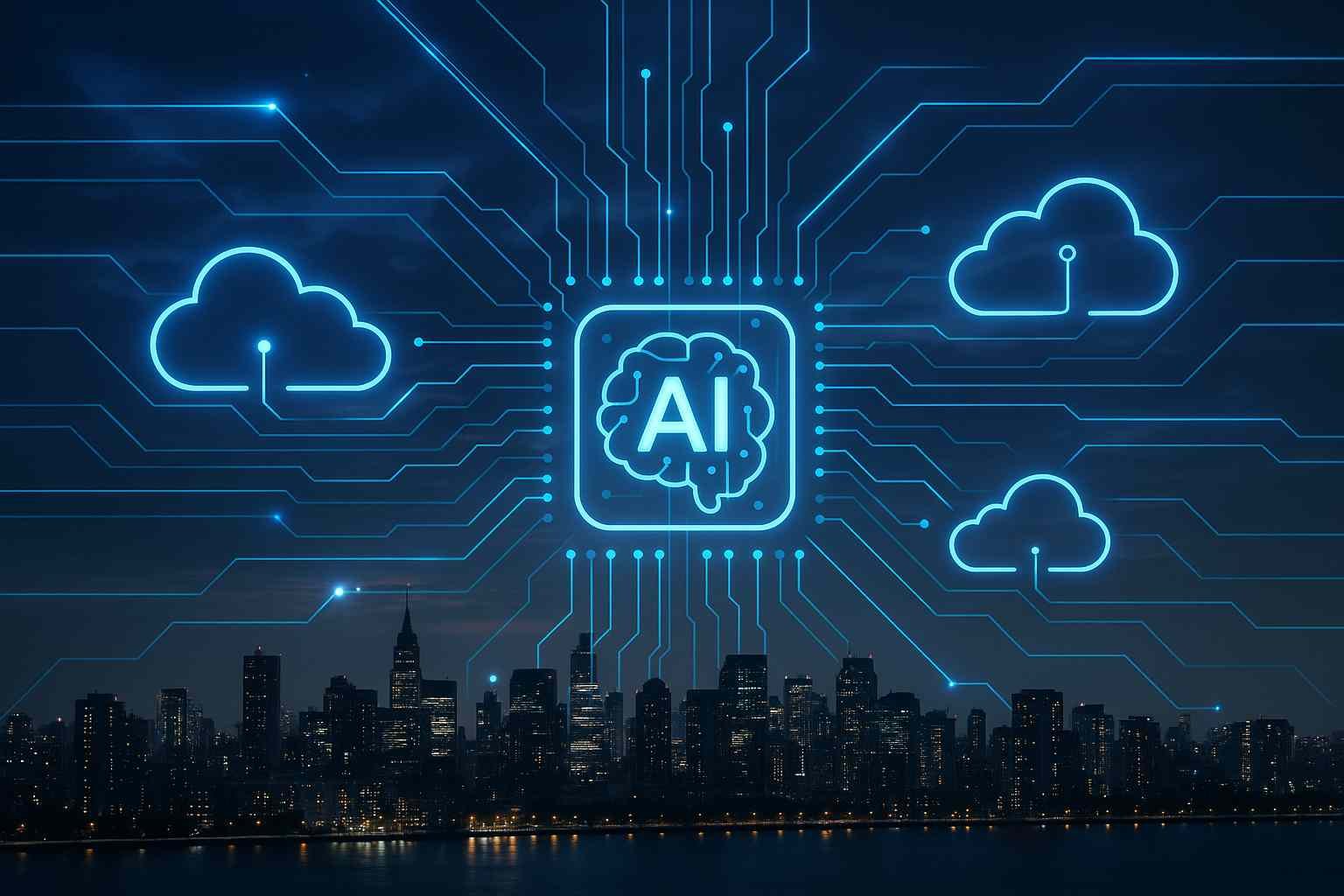
In today’s hyper-connected world, the information technology (IT) industry is not just supporting businesses—it is driving them. Digital transformation is no longer a buzzword; it is the backbone of competitiveness, resilience, and long-term growth. The convergence of artificial intelligence (AI), cloud computing, and skilled talent has created the perfect storm for IT companies to innovate, optimize, and scale. As we look toward the next wave of transformation, organizations that can effectively integrate these three pillars will lead the future of global business.
The Evolution of Digital Transformation
Digital transformation has been on the corporate agenda for over a decade, but the pace has accelerated dramatically in the last five years. From the pandemic pushing remote work to the explosion of AI tools in 2023 and beyond, companies have been forced to rethink how technology shapes customer experience, employee productivity, and operational efficiency.
Where transformation was once about digitizing paperwork or migrating servers to the cloud, today it is about building intelligent, cloud-first ecosystems that adapt in real time. Businesses are no longer asking “should we transform?” but rather “how quickly and effectively can we transform?”
AI: From Experiment to Enterprise Engine
AI has moved from research labs and pilot projects into the very core of IT infrastructure. Generative AI, machine learning, and predictive analytics are being used to enhance almost every aspect of business:
- Customer service is being redefined with conversational AI chatbots and virtual agents capable of personalized, 24/7 support.
- Operations are being optimized using predictive maintenance in manufacturing, AI-driven supply chain forecasting, and intelligent process automation.
- Decision-making is becoming data-driven, with AI providing real-time insights into customer behavior, market shifts, and financial risks.
For IT companies, AI is both a product and a productivity multiplier. Providers are embedding AI into enterprise software, cloud platforms, and cybersecurity systems, while also using AI internally to streamline development cycles, test automation, and IT support.
However, harnessing AI effectively requires more than deploying tools—it demands a thoughtful approach to data governance, ethical AI practices, and integration with existing workflows. Companies that get this right will see exponential gains.
👉 “According to a recent Gartner report on AI trends , enterprise adoption of AI is accelerating with a focus on automation and decision support.”
Cloud: The Foundation of Agility and Scale
While AI may be the star of the moment, cloud computing remains the foundation of modern IT. The cloud enables flexibility, scalability, and resilience that traditional IT infrastructure simply cannot match.
- Hybrid and multi-cloud strategies are becoming the norm, allowing companies to avoid vendor lock-in and optimize cost-performance balance.
- Cloud-native applications are enabling faster development cycles, microservices-based architectures, and seamless integration of AI and IoT technologies.
- Cybersecurity in the cloud has matured, with advanced encryption, zero-trust models, and AI-powered threat detection reducing risks associated with distributed systems.
For IT companies, cloud is no longer just a hosting solution—it is a platform for innovation. From enabling software-as-a-service (SaaS) delivery models to supporting real-time analytics, the cloud provides the canvas upon which digital transformation strategies are painted.
Talent: The Human Engine of Transformation
Technology alone does not drive transformation—people do. The most forward-looking IT organizations recognize that talent is their greatest competitive advantage.
Three aspects of talent stand out:
- Digital Skills Development: The demand for cloud architects, AI engineers, data scientists, and cybersecurity professionals far outpaces supply. Companies must invest in training, upskilling, and partnerships with academic institutions. read more
- Culture of Innovation: Transformation requires more than technical skills—it requires employees to think creatively, take calculated risks, and adapt quickly. Building a culture where experimentation is encouraged is as important as hiring top talent.
- Leadership for Change: Successful digital transformation depends on leaders who can articulate a vision, break down silos, and guide their teams through uncertainty. In many organizations, CIOs and CTOs are evolving from support roles to strategic business leaders.
In short, while AI and cloud provide the tools, human talent provides the vision and execution.
Challenges to Overcome
Despite the clear opportunities, the journey is not without challenges. IT companies must address:
- Data privacy and security risks as data flows across multiple platforms and borders.
- Integration complexity, particularly when merging legacy systems with new cloud-based architectures.
- Cost management, as cloud spending can spiral without proper governance.
- Talent shortages, which threaten to slow innovation if not addressed through upskilling and reskilling.
Organizations that proactively address these barriers will have a significant competitive edge.
The Next IT Wave: What Lies Ahead
The next wave of digital transformation will be marked by hyper-personalization, intelligent automation, and global collaboration. Some of the trends shaping the future include:
- AI and Cloud Convergence: AI workloads will increasingly run in cloud environments, making data accessible, scalable, and secure.
- Edge Computing: With IoT and real-time applications, processing power will move closer to the source of data, reducing latency.
- Green IT: Sustainability will become central, with cloud providers and IT companies being held accountable for energy use and carbon emissions.
- Decentralized Workforces: Cloud-based collaboration and AI-driven productivity tools will redefine how distributed teams operate.
These trends underscore the fact that transformation is not a destination but an ongoing journey.
Conclusion
Digital transformation is at a tipping point. The combination of AI, cloud, and talent is not just reshaping IT companies but redefining the way global businesses operate. Those who embrace this triad with clarity, strategy, and vision will not only survive but thrive in the next IT wave.
The future belongs to organizations that see technology not just as an enabler, but as a core driver of value creation, innovation, and human progress.